



Ninety-nine lucky charms for your Mac menu bar · real physics · a private on-device AI, in beta
hanging right there.
A hand-crafted charm on a real elastic cord, hanging under your menu bar. Ninety-nine of them — each a real object with a real origin — plus a dragon that hatches and a bonsai that flowers. Underneath, as a bonus, a private on-device AI that can remember your day.
macOS 13+, Apple silicon · the AI is a bonus that needs Apple Intelligence and ships off. What that covers →
↝ grab the charm and pull

99charms
move through them
Every charm in the app, on its own cord. Tap one to read its story.
Eight shelves
Each one came from somewhere. Pick the one that's yours.
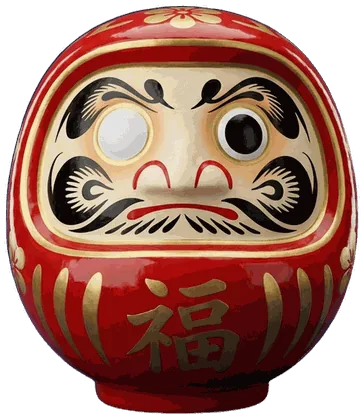
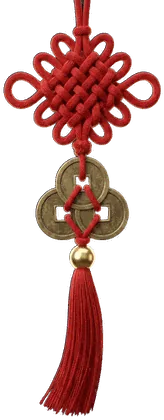
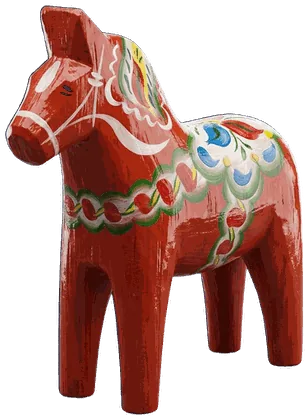
Every charm is original 3D art with its own story, its own right-click ritual, and — for eighteen of them so far — its own signature motion in the app — bells swing, the Daruma wobbles, the dreamcatcher turns in the breeze, and Ace walks. One of them is a locket — whoever you put in it. Each one was modelled on the real object — the seven chillies and the lemon, the painted eyes, the woven web. Click one — read its story here, see it hang in the playground above.
 Every charm is original 3D art with its own story, its own right-click ritual, and — for eighteen of them so far — its own signature motion in the app — bells swing, the Daruma wobbles, the dreamcatcher turns in the breeze, and Ace walks. One of them is a locket — whoever you put in it. Each one was modelled on the real object — the seven chillies and the lemon, the painted eyes, the woven web. Click one — read its story here, see it hang in the playground above.
…or any emoji, or something of your own.
Make it yours
Or hang the thing you actually want to see.
Ninety-eight of them came from somewhere. The ninety-ninth is yours.
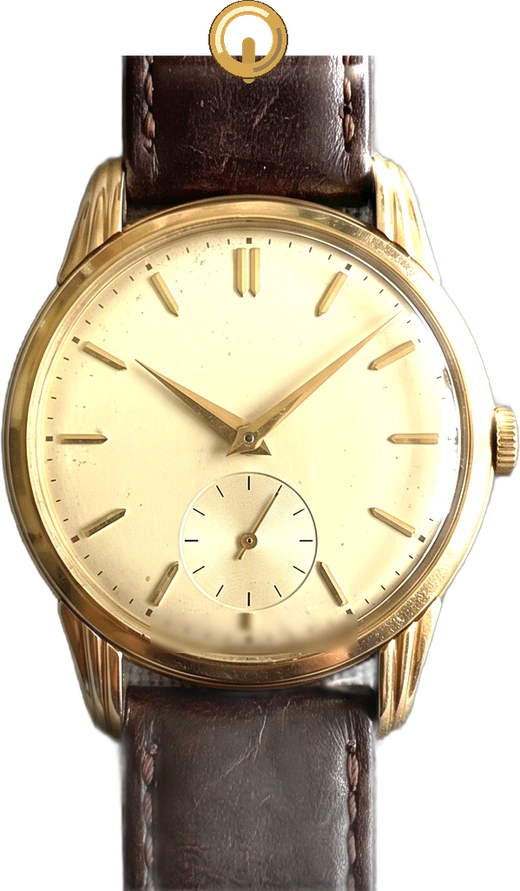
Drop in a picture — a locket for a face, a charm for a thing.
Your daughter. Your dog, who is very much a good boy. Your dad's watch, the one in the drawer you have not worn and will not sell. The keys to a flat you do not live in any more. A charm was never really about luck; it is about carrying something small that means something large, where you can see it.


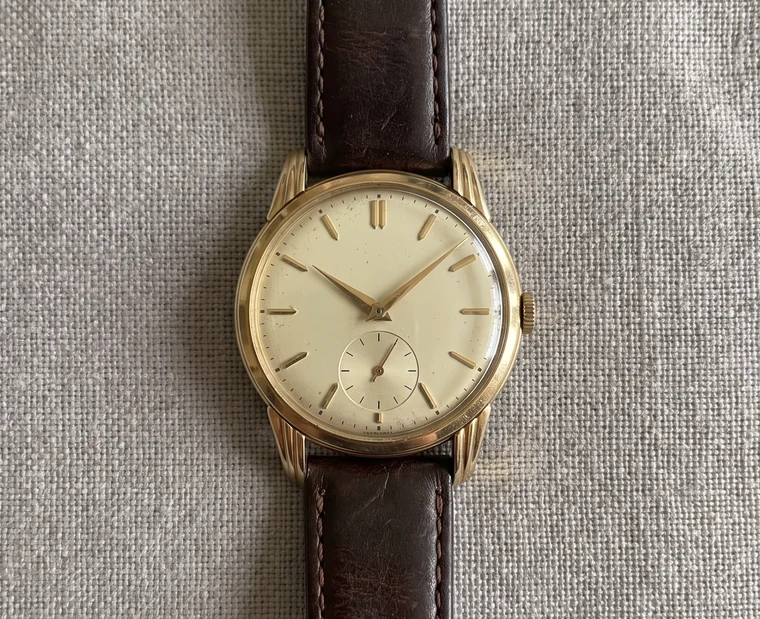
Not everything wants a frame. How your Mac makes it →
Two more of them are alive
A dragon that hatches. A bonsai that flowers. Both of them grow.
Growth isn't a bar filling up — each stage is a different tree, drawn from scratch. Six carved stages from seed to blossom, five from egg to dragon, and every one of them is its own piece of art. They want you about twice a day, in the quietest way an app can: the charm on your screen droops, and the colour goes out of it. They never die, never run away and never scold you. Miss a week and growth simply pauses — neglect costs time, not the creature. The thing below is the real one, running in your browser.
Seed
just planted · stage 1 of 6
Wander mode
Snip the cord, and Ace walks.
Ace hangs from your menu bar like any charm — until you snip the cord. Then he drops to the desktop and patrols it with a true 8-frame walk: wandering, pausing, turning at the screen edge, tumbling when thrown. Tie the cord back and the elastic reels him home.
Try it → snip the cord on the little Mac.


The bonus underneath · beta
It doesn't just answer. It does.
⌘-click the charm and a small panel drops down. The AI is free and runs on your Mac — Apple's own on-device model. No account, no API key, no cloud. It ships switched off, and it is a bonus in beta — buy Charmling for the charm.
carried by the Baby Dino — small today, bigger every day
Day Memory Bonus, in beta
Your Mac finally remembers your day — privately, and it forgets on purpose. Then just ask.
Professionals: a paste-ready standup, an honest timesheet. Students: Quiz Me, a sprint quiz, a study log.
Drafts written from what was actually on your screen — it says "nothing found" rather than filling a gap. Needs Apple Intelligence.
carried by the Kathputli — a puppet moves only when you pull
Agent Actions
"Remind me to call Sam tomorrow 9am" becomes a real Reminder. Every action asks first — you're always the final word.
carried by the Nodding Doll — tip it, it rights itself
Looks out for you
Meeting Radar preps you 5 minutes before events. Focus Guardian notices you drifting mid-focus. Sprint Quiz tests exactly what you just studied.
carried by the Lucky Pig — it keeps what you toss in
The toolbelt
Screenshots you fling straight into the basket. A woven file basket hanging off the charm. A focus timer whose cord winds shorter as the minutes go by.
carried by the Daruma — its painted eye stays open
Never "away" again
Stay Active keeps you green on Teams and Slack while you read something on paper, think, or take a call. Stay Awake holds your Mac open through a long render or install, fireflies drifting around the charm the whole time. One click on, one click off.
carried by the Hamster — small paws, small gifts
Small kindnesses
Copy a long article — the charm offers to summarise it. Copy something in another language and it offers to translate. Stretch reminders every 45 minutes. One ⌘-click each.
The honest fine print — all optional, all off by default, and early
All of this is optional. Every AI feature ships switched off, and Charmling is a complete app without any of them — the charm, the physics, the rituals, Wander Mode, the focus timer and the basket all work on their own and never read your screen. Turn the AI on if you want it, turn it off whenever, and it stops the same second.
And it's early. A model small enough to run on your own Mac is a model with limits: it writes a good first draft and it will sometimes miss the point of an hour. Treat every recap, standup and timesheet as a draft to read before you send it. It's the part of Charmling I'm working on hardest, and it gets better with every release — the on-device models are improving quickly too, and Charmling picks that up for free. Everything here needs Apple Intelligence: Apple silicon, macOS 26+.
For students · reads it on your Mac
Drop your notes on the charm. It quizzes you back.
Revising? Drag your lecture PDF onto the charm hanging under your menu bar. It lands in the little basket, Charmling reads it on your Mac, and asks you questions about it — one at a time, answers hidden until you pick. There is nothing to switch on.
- Drag a file onto the charm. A PDF, a slide deck, a photo of a page — from Finder, your desktop, or straight out of an email. It drops into the basket.
- Ask for the quiz. Hold ⌘ and click the charm, then press Quiz Me. Or Control-click the charm and pick 📚 Quiz Me on These Files.
- Answer. Four options, one question at a time. It tells you right or wrong straight away, explains why, and offers another go at the ones you missed.
Drag one onto the basket

the basket takes anything — it only reads what you ask it to
Nothing to switch on
This one doesn't use Day Memory and never looks at your screen — so it needs no Screen Recording permission and no setting turned on. It reads the files you hand it, and nothing else.
It reads pictures too
A normal PDF gives up its text instantly. A scan, a screenshot or a photo of a whiteboard goes through Apple's Vision engine on your Mac instead — so a phone snap of a page works.
Take the files back, it forgets
What it read is held in memory only while the files sit in the basket. Drag them out or empty the shelf and it's gone — never written to the day's log, never saved to disk.
In motion
Thirty seconds. No words needed.
Not a screen recording — this is the app's physics running live in your browser, on a pretend Mac.
Privacy is the product
Your memory shouldn't have a landlord.
No accounts. No analytics, no tracking. The AI runs entirely on your Mac, and password managers are never read — no screenshot of them is ever taken. When you want zero eyes at all, Private Mode pauses every capture instantly.
Don't take my word for it. The privacy page shows sixteen minutes of a real screen — five captures, the file they became, straight from the actual redaction code — and the complete accounting of every network request.
A good houseguest
Native, weightless, and out of your way.
One tiny native app that lives where the Mac keeps its quiet things — and disappears the moment you're busy.
Clicks land on whatever's underneath — even right behind the cord. Only the charm itself is solid.
- Invisible everywhere but the menu bar. No Dock icon, no window, no ⌘-tab entry. It launches, hangs, done.
- Hang it anywhere. ⌥-drag to any edge or corner. It remembers.
- The charm is the menu. ⌃-click: menu · ⌘-click: assistant · right-click: ritual.
- Say no and it still works. Every permission is optional, explained in plain language before macOS asks. Decline all of them and the charm, the physics and the timer carry on.
One price. No subscription.
No subscription — because there's no cloud to pay for.

- Day Memory — recaps, standups, timesheets
- Agent Actions — reminders & calendar
- Meeting Radar & Focus Guardian
- Sprint Quiz & Clipboard Sense
- Stay Active on Teams/Slack
- All 99 charms, any emoji, and your own photo
- The Garden — a bonsai and a dragon that grow
- Physics playground & rituals
- Wander Mode — Ace really walks
- Screenshots, basket, focus timer
- Free updates — no subscription, ever
India price — ₹499, applied automatically at checkout; nothing to type. It's billed in rupees, so there's no foreign-card fee and no conversion guesswork — ₹499 is the price, and Polar shows you the exact final amount before you pay. UPI works.
Regional price — $7.99, applied automatically at checkout; nothing to type. Charmling costs $14.99 in the US, the UK and the EU; it shouldn't cost the same everywhere.
Notarized by Apple · licence key in your inbox within a minute · 7-day no-questions refund, and EU buyers keep their statutory rights on top.
The honest list — what you're not getting
None of the screen-reading is on until you switch it on — and the same switch stops it that second. Charmling is a whole app without it.
- No endless trial. Seven free days are built in — the whole app, no card, no account — then the charm sleeps until a licence wakes it. The seven-day refund sits on top of that week, not instead of it.
- Mac only. No Windows, no iPhone, no web version, and none planned soon.
- One Mac, and nothing syncs. Your charms, your Garden and your memory live on that machine and go nowhere else — not even to your other Mac. That is the same decision as "no cloud", seen from the inconvenient side. Changing machines is free: write to me and I'll move the licence.
- No AI without Apple Intelligence. On an Intel Mac, or an M-series Mac without it switched on, you get the charm, the physics, the 99 charms, the Garden, Wander Mode, the timer and the basket — and none of Day Memory, recaps, standups, timesheets, quizzes or Meeting Radar. That is most of the price. Buy on that basis.
- macOS will show the recording indicator in your menu bar the whole time Day Memory is on. That's the system telling the truth about what the app is doing, it can't be hidden, and you'd be right to distrust anything that did hide it.
- What it writes is a draft. A model small enough to live on your Mac produces a solid first pass and will sometimes miss the point of an hour. Read a timesheet before you hand it to anyone.
- The redaction is careful, not perfect. No content filter is. That's exactly why the log lives 48 hours, sits in one plain file you can read, and erases in one click — all of it, the last hour, or everything from one app.
- It's one person. Support is as fast as one person can be, which is usually the same day and occasionally not. There is no queue, no tier and no bot. Found a security problem? Put "security" in the subject and it jumps the queue — the privacy page says what to expect.
- If it's ever discontinued, a build that needs no licence check gets published, so what you bought keeps working. That's in the licence terms, not just here.
Before you buy — what it needs
Who you're buying from
Questions, answered
Why one price and no subscription?
Because there's nothing to subscribe to. The AI is Apple's on-device model — a free engine already on your own Mac. No servers, no API bills, no monthly anything. $14.99₹499$7.99 buys the app outright — every update included, nothing recurring.
Does it upload my screen anywhere?
Never. Day Memory's captures exist only in memory, are reduced to text on-device, and the text log self-erases within 48 hours. The app makes four kinds of network request and no others: an optional once-a-day update check, activating your licence when you enter it, a weekly re-check of that licence, and downloading an update when you ask for one. None of them carry anything from your screen.
Do I have to use the AI?
No. Every AI feature is off out of the box and Charmling is a whole app without them — the charm, its physics and rituals, Wander Mode, the focus timer and the basket never read your screen and never ask a model anything. Switch the AI on if it appeals; switch it off and capture stops immediately. Private Mode is a single toggle that silences every capture at once. And be a little sceptical of what it writes: a model small enough to live on your Mac produces a solid first draft, not a finished one — read a timesheet before you hand it in. It's the part of the app improving fastest.
Could it capture my passwords?
It is built so it doesn't, and it shows you its work. Password managers are never read — 1Password, Bitwarden, Keychain Access and the rest are skipped before a screenshot is taken, and a password manager open as a web page is skipped too, on what the page says rather than what the app is called. A window whose own title gives it away, like prod.env or Passwords, is never photographed at all. Everywhere else, any line naming a password, passphrase, recovery code or API key is deleted before anything is written down — and so is the line after it, because a login form puts the label and the password on separate lines. That works in nine languages, not just English. Anything shaped like a secret — an API token, a private key, a card number, a connection string with a password in it, a long random string, a masked ••••••• field — is replaced with [redacted]. All of it happens on your Mac, before storage, with nothing to switch on.
No filter is perfect, and anyone who tells you theirs is has not looked hard enough. That is exactly why the log lives 48 hours, sits in one plain file you can open and read, and can be erased in one click — all of it, the last hour, or everything from one app.
What is the diary, and is it on?
It's off. You have to switch it on, and the first page is shown to you before it's kept.
Day Memory erases the text from your screen after 48 hours — that doesn't change, and it's why Monday's standup can't mention Thursday. The diary is the answer to that, and it's a deliberately different kind of thing from the log it outlives: for each day it keeps the hours you worked, which apps, the window titles your own apps wrote, the names that provably appeared, and one sentence written on your Mac. No text from your screen, ever. It is strictly smaller and more abstract than the log it replaces.
Choose off, 7 days or 30 days under Day Memory ▸ Diary. It sits in the same folder in one file you can read, "Forget Everything Now" deletes it too, and Private Mode silences it along with everything else.
Is the memory file encrypted? What about my backups?
No, and that is deliberate: it is plain text so you can open it and read every word, which is the only way a promise like this can be checked. It is owner-only from the instant it is created, so no other account on the Mac can read it, and it erases itself after 48 hours. Two honest caveats. If FileVault is off and your Mac is stolen, someone could read the last two days. And if you back up your Home folder, your backup has copies — exclude ~/Library/Application Support/Charmling if that matters to you.
Does it read my messages?
No. Mail, Slack, Messages, WhatsApp and the rest are recorded by window title only — never the words. Other people wrote those, and they never agreed to anything. You can see it in the file above: the Mail line has a subject and an empty body.
Can I use this on a work Mac?
Technically yes, and you should check first. Screen Recording is a permission your IT department can see you granted, and some employers have views about it. Charmling sends nothing anywhere, but "it doesn't upload" and "your admin is fine with it" are different questions and only one of them is ours to answer.
What does it need to run?
The charm itself — physics, rituals, Wander Mode, the timer, the basket — runs on macOS 13 or later, on Apple silicon. It is built for Intel as well, but it has not been tested on real Intel hardware yet — if it misbehaves on yours, write to me and take the refund. The AI features (Day Memory, recaps, standups, timesheets, quizzes, Meeting Radar) need Apple Intelligence, which means an Apple silicon Mac on macOS 26 or later with it switched on in System Settings. Day Memory and the screenshot tools additionally need macOS 14 or later.
What permissions does it ask for?
Four, all optional, all explained in plain language before macOS asks. Screen Recording → Day Memory and the screenshot tools. Accessibility → Stay Active and window titles. Calendar → Meeting Radar. Reminders → agent actions. Decline Screen Recording and Day Memory simply never runs; everything else carries on. While Day Memory is on, macOS shows its screen-recording indicator in your menu bar — that's the system telling you the truth about what the app is doing, and we'd rather you saw it.
How do updates arrive?
Charmling checks a tiny static version file once a day (nothing about you is sent — you can turn it off). When something new ships, the charm whispers "update available" and one click downloads the new version; you drag it into Applications the same way you installed it. Nothing installs itself behind your back. Every update is free, forever.
What if it's not for me?
Try it first — the first seven days are free, built in: the whole app, no card, no account. If you buy and change your mind anyway, reply to your receipt email, or write to support@charmling.app, and it's refunded within seven days of purchase. No questions, no form.
Can I use my own charm?
Yes — any emoji, or your own photo. Drop in a picture and Charmling cuts the subject out on your Mac and sets it in a gold locket that hangs on the same cord.